Martial arts as a therapeutic intervention
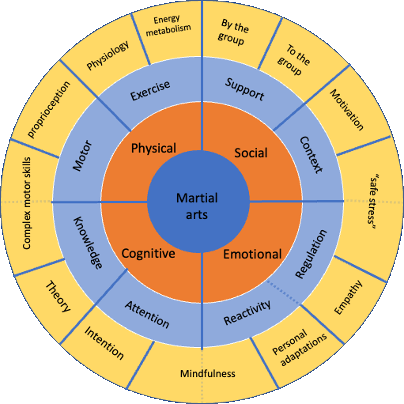
While the general activities of the Mind-Set Framework are not meant for therapeutic purposes, the concepts and methodologies are inspired by a model for martial arts as a therapeutic intervention. The proposed model, which was developed by Guy Shpak and presented in academic courses and conferences, includes four fundamental domains: physical, cognitive, emotional, and social, each is further divided into several sub-domains and fundamental concepts. The application of the model includes an alignment between the desired outcomes and specific training components.
At the heart of this model is the idea that physical skills we learn and practice over time are transferable to other aspects of our lives. While some of these domains and sub-domains are distinct, there are inherent overlaps between them. A full description of this model will soon be published in an upcoming book, and the following is a general description of it:
-
The physical domain: Physical exercise in itself has long been shown to support both physical and mental health benefits. Given the physical nature of martial arts practice, the physical domain is related to the physical activity elements of the practice and is composed of Exercise and Motor.
-
The cognitive domain: The content delivered as a part of martial arts practice is not only experienced physiologically but also processed cognitively, with two recognized sub-domains, Knowledge (learning and memory), and Attention.
-
The emotional domain: Being addressed both directly and indirectly, the emotional aspect in martial arts practice is central to any therapeutic intervention based on these arts. This domain can be considered at two levels which are highly intertwined: Emotional Regulation and Emotional Reactivity.
-
The social domain: Since many of the reasons to develop and practice MA are deeply rooted in our social constructs, the social domain includes Social Context and Social Support.
The following ilustration provide a general overview of this model: